Category: MSMELAB

  • Business Process Improvement: Reasons & Benefits

    Business Process Improvement: Reasons & Benefits

    James Harrington said:

    “Everything we do today can be done better by concentrating on the process.”

    Business Process Improvement (BPI) refers to diagnosing, analyzing, and improving existing business processes in an enterprise to enhance performance and provide continuous business growth.
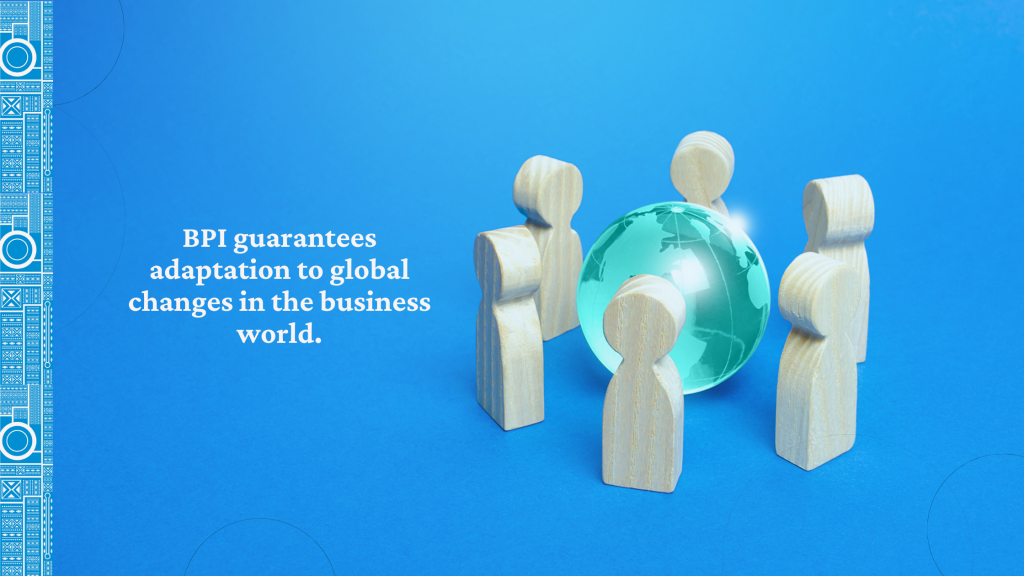
    In a simpler term, BPI is all about making changes (improvements) to the way you work (your process) to see better results for your business.

    More than ever, optimizing business activities in the light of a more technologically driven economy is non-negotiable. Hence, factoring BPI into your organization’s growth plan helps to achieve the following:

    1. Eliminates Waste of Resources:

    Business process improvement helps to better plan, organize, and thoroughly prepare a company for the long term. By establishing clear guidelines and procedures, you know your goals, the means to achieve them, what to avoid, and what to look for. As a business implementing BPI, you get to track important metrics related to your progress. Thus, when you track the progress, you can eliminate waste—be it money, resources, or time—in real-time and act at the right moment.

    2. Increased Productivity and Efficiency:

    Effective practices that support business process improvement can help remove inefficiencies and ultimately improve the productivity of team members. With tools for enhancing processes such as AOAHUB, organizations can evaluate performance appraisals and evolve processes without restricting the way teams work. Reporting and analytics provide insights into delivery trends to remove bottlenecks, predict future issues, and adapt workflow processes for improved productivity.

    3. Reshaping Company Culture:

    Even though most companies pay less attention to company culture, it has been remarkably recognized as a contributor to an organization’s growth by 33% according to TimeCamp.

    BPI evaluates which organizational procedures and regulations add value to the company and help to steer it in the right direction. Thus, Improving business processes supports the strategy, mission, vision, and goals in line with the culture and eliminates those that don’t support company culture. Or create a new one that aligns with company values.

    The benefits of Business Process Improvement are numerous and the reason to put one in place is immense. It’s a great way to transform your business to stand out on the market and adapt to global changes in the business world.


    DISCLAIMER:

    The material contained in this publication is provided for general information purposes only and does not contain a comprehensive analysis of each item described. Before taking (or not taking) any action, readers should seek professional advice specific to their situation. No liability is accepted for acts or omissions taken in reliance upon the contents of this alert.

    AOA Professional Services is an indigenous tax, regulatory and advisory service firm driven by the values of professionalism and partnership. For further information on the subject matter, reach out to our Teleconsulting Desk

  • 2022: 3 Must-Dos for MSMEs

    2022: 3 Must-Dos for MSMEs

    Micro, Small and Medium-sized Enterprises are no doubt the core engine of growth in every economy. As we go into the last part of the first quarter of the administrative year, it is important to remind key business decision-makers that the time for planning and it is time to start executing.

    No doubt, the effect of the Covid19 pandemic is still very much present as new variants keep showing up, thus, MSME must strive to be flexible with an innovative approach to doing business to stay competitive.

    Here are three must-dos for MSMEs in 2022 if you want to stay afloat:

    1. Support Customer/Buyer Behaviour

    Increasingly, customers now choose how to spend their money. They are now paying for values. Thus, it is time to ask yourselves, what are the values that are important to our customers and how is our brand aligning with them. For example, a logistics business must work on timely delivery and integration of different payment methods that allow the business to thrive on the go among others.

    In addition, there has been a mindful perspective towards how customers now see businesses, particularly as they relate to brand values. It is then important that MSMEs showcase considerable touchpoints in their business model to engage in smart and intelligent systems that aid effective buying behaviour.

    2. Invest in Automation

    Do not try to carry out all business operations yourself, manually. Gone are those days, dear business owner. It is important that you allow technology to drive most parts of your business operations such as documentation, human resource management, bookkeeping etc.

    Depending on the nature of your business, it is important you leverage technology – particularly the function of automation to drive deliverables.

    Aside from reducing the cost of operations drastically, it equally fosters more efficiency than the manual system. For instance, instead of manually tracking employees’ time attendance at work, payroll management etc.; software like AOAHUB automates the process easily and still provide you with a detailed report with which you can make informed decision underlying HR & Payroll.

    3. Improve Employee Branding With Work-Life Balance

    As hard as it seemed to identify critical indicators of work-life balance, it is important to engage employees in a way that guarantees personal and career satisfaction to get the very best input of work from them too. Initiatives such as Work From Home (WFH) that were accelerated by the pandemic should be a considerable factor in today’s work structure. It is believed that remote working is the future of work, regardless of criticisms of its absolute feasibility.

    In addition, facilitate employees’ training either in form of coaching or mentoring. A well-trained and equipped employee-employer system breeds an efficient and productive workforce. Help your staff members, acquire in-demand skills related to their role and have a system that allows them to healthily put what they have learnt into practice.


    DISCLAIMER:

    The material contained in this publication is provided for general information purposes only and does not contain a comprehensive analysis of each item described. Before taking (or not taking) any action, readers should seek professional advice specific to their situation. No liability is accepted for acts or omissions taken in reliance upon the contents of this alert.

    AOA Professional Services is an indigenous tax, regulatory and advisory service firm driven by the values of professionalism and partnership. For further information on the subject matter, reach out to our Teleconsulting Desk
  • 3 Ways To Leverage Digital Disruption

    3 Ways To Leverage Digital Disruption

    An intriguing update that shook the business waves at the start of the year was that Stanbic IBTC was closing down 50% of its physical branch in Nigeria solely because the bank wants to go fully digital as a step toward prioritising full-scale digital banking.

    Disruption is inevitable for every business and at some point, digital disruption will come for every organization regardless of size. Those who prepare for it will be flexible enough to thrive in a time of disruption, but the organization that overlooks it is surely handshaking exit as a business.

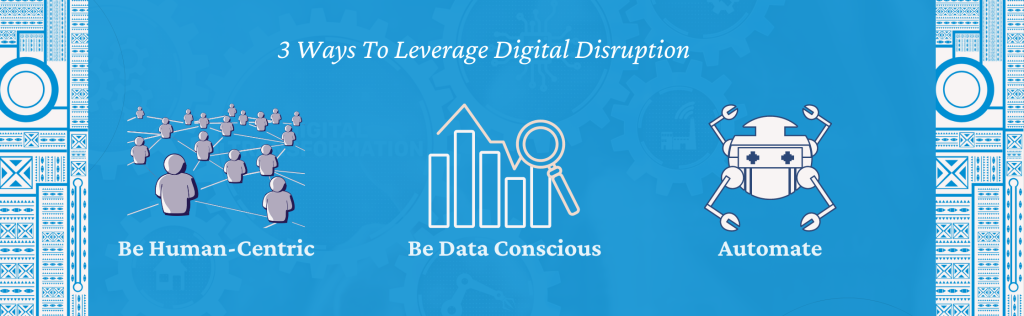
    1. Be Human-Centric

    No organization can exist without its’ people. Customers, investors, vendors, employees and a list of other persons affected by the operations of an organization are crucial to a business’s survival. Regardless of digital disruption, your people should come first. Technology being the centre point of digital disruption should be seen as an ENABLER of processes and not the process itself.

    Make your people the focus of every tool and strategy intended to drive disruption and not the other way round. Be sure that your chosen method of leveraging digital disruption solves the challenges of your people. That way, disruption is sure to foster business growth. But how do you do this? Check Number Two.

    2. Be Data Conscious

    In times of disruption, disregarding data is equal to failure. it is the foundation of every strategy and methodology to be used to control disruption to your business’ favour. Do not overlook even the smallest of data. Customer interaction, buyer journey, employee reactions, investor comments etc. are all sources of critical data essential to personalizing the experience of your people during a disruption.

    Be sure to be on top of trends as well as government policies. These too are avenues for micro-moments that shape how disruption can be adopted. Collecting and analyzing this data triggers your business for proper adoption.

    3. Automate

    Digital disruption is all about using technology to drive business processes. today we have different kinds of technology doing this. From Blockchain to Software-As-A-Service (SaaS), ERP Systems etc. They all have one thing in common, and that is to help us do business more efficiently and effectively.

    However, with digital disruption comes tonnes of activities and processes to be managed. There is no way direct human interaction can sufficiently deliver a worthwhile experience. Hence, automation becomes inevitable. Automating business processes such as Bookkeeping, HR, Payroll Management, Investor Relationship, Compliance etc. with tools like AOAHUB makes digital disruption the equity harnessed for your organizational growth.


    DISCLAIMER:

    The material contained in this publication is provided for general information purposes only and does not contain a comprehensive analysis of each item described. Before taking (or not taking) any action, readers should seek professional advice specific to their situation. No liability is accepted for acts or omissions taken in reliance upon the contents of this alert.

    AOA Professional Services is an indigenous tax, regulatory and advisory service firm driven by the values of professionalism and partnership. For further information on the subject matter, reach out to our Teleconsulting Desk

  • Want A Successful Administrative Year? Consider these 4 things

    Want A Successful Administrative Year? Consider these 4 things

    The new year inspires renewed energy and excitement for what could happen. It’s a fresh start and the perfect time to reflect on the past and plan for the future – to set goals and figure out how to meet them. Even though Y2022 has begun, it’s not too late to kick things off rightly to help ensure growth for your business.

    Here are four things you must consider if you want a successful administrative year:

    1. Review Previous Year Performance

    Look back at the previous year. Assess what went well and what did not, and find takeaways from both. The mistakes and successes. Review your business plan and make updates. Quick posers to doing that: Were there big moves you wanted to make last year but did not? Did you want to expand your team? Expand your reach and presence? Take a hard look at where you’ve been, and perhaps where you wanted to go but could not, so you can better know where you should be heading.

    2. Build Projection

    Projections are a guide of two benefits – Roadmap & Motivation. As you develop projections for the year, consider the broader economic conditions and how they might impact your market. Of course, keep in mind that projections are guides. It’s impossible to know what will happen, so ground your projections in as much data and objectivity. Knowing the latest business trends and economic news will arm you to handle the constantly changing environment. Advisably, do this with research and preferably speak to a consultant who can bring experience and criticism that bolster what you have.

    3. Mind The Budget

    It can be difficult to keep track of all expenses, especially while juggling many areas of the business, but it’s crucial. Businesses can maximize kobo in numerous ways – from tracking tax-deductible, business expenses and minimizing long payment terms, to making monthly instead of annual insurance payments. Meanwhile, you must make smart decisions about your budget and not just about cost-cutting. Your budget is to make sure your spending fosters sustainable growth & development.

    As Benjamin Franklin rightly said:

    “Beware of little expenses. A small leak will sink a shop”.

    4. Improve on Communication & Feedback

    Effective communication is critical to business success. Encourage your employees, customers/clients & shareholders to share their thoughts about the past. Provide several ways they can communicate with you, from the regular team and one-on-one meetings to an online chat platform. Have an open-door policy and be open to receiving honest feedback and ideas. Set the tone for consistent and transparent communication. It will help you realize what needs to be improved and what is to be sustained. In addition, improved communication can help to define work-life balance for employees which in turn boosts productivity.


    DISCLAIMER:

    The material contained in this publication is provided for general information purposes only and does not contain a comprehensive analysis of each item described. Before taking (or not taking) any action, readers should seek professional advice specific to their situation. No liability is accepted for acts or omissions taken in reliance upon the contents of this alert.

    AOA Professional Services is an indigenous tax, regulatory and advisory service firm driven by the values of professionalism and partnership. For further information on the subject matter, reach out to our Teleconsulting Desk

  • Brand & Branding

    Brand & Branding

    A Brand! What comes to mind when you read, see or interact with the term as an MSME? Is it your logo? Or the colours of your business? Well, for most business owners, it is as much as the posers while others believe it includes your website, social media presence, etc. But is that all that it is?

    It may interest you to know that a brand is far much more than the aforementioned. In fact, for the most part, a brand is more abstract than concrete. A brand of any business is about anything – physical or not – that distinguishes a business from another. Beyond all that has been mentioned above, it will include your culture, value, and even corporate positioning in the minds of every stakeholder in your business; not just your customers but also your employees, regulatory bodies, etc.

    In short, branding is the process of building a brand and honestly it revolves around everything you are as a business and it also influences your success or failure as an enterprise.

    For most MSMEs, the focus is usually on their actual product or service, and with this comes a tendency to neglect the importance of developing a branding image. Branding is a medium that helps you to sketch your image in the minds of your customers. It separates you from the other businesses in the industry, nation, and the whole world.

    Your business will see a significant development when it is deliberate about building a brand. What do people know about your business? Is the perception good or bad? Are you law-abiding? Can your business be trusted enough in any transaction? You can see that it is far bigger than just logos, colours, and websites?

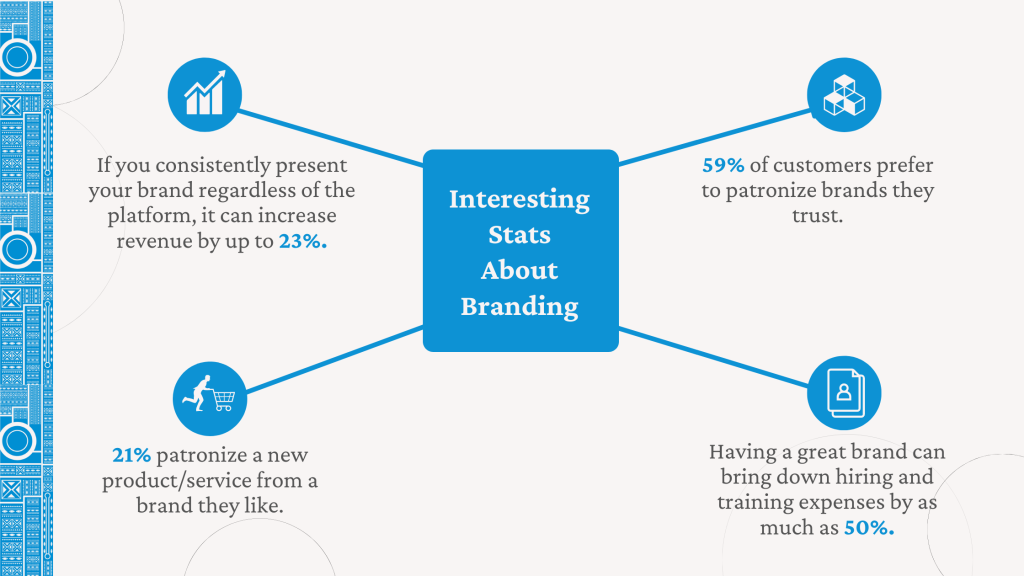
    Revenue and growth are the focus of most MSMEs. How does branding impact these? The following statistics provide the answers.

    “Your brand is the single most important investment you can make in your business.

    Steve Jobs

    DISCLAIMER:

    The material contained in this publication is provided for general information purposes only and does not contain a comprehensive analysis of each item described. Before taking (or not taking) any action, readers should seek professional advice specific to their situation. No liability is accepted for acts or omissions taken in reliance upon the contents of this alert.

    AOA Professional Services is an indigenous tax, regulatory and advisory service firm driven by the values of professionalism and partnership. For further information on the subject matter, reach out to our Teleconsulting Desk
  • Outsourcing: What, Why & When?

    Outsourcing: What, Why & When?

    Every business – Small, Medium, or Large-sized – wants to grow. When the growth happens, it becomes the responsibility of the whole team to sustain the business’ competitive edge. Hence, the need to focus on strategic and technical competence arises while doing away with the company’s non-core functions.

    Here is where outsourcing comes into the picture. With plans to shape the future of business activities in place, keeping up with all the activities a company requires to exist internally takes up time, increases costs, impedes flexibility, efficiency, and performance,

    For most businesses, the best bet is to outsource some functions which are not core of their competence to profound professionals in a way that fosters productivity, reduces cost, and increases task delivery time as against having to do these tasks internally.

    According to Chuks Cohn – Founder & CEO of Varsity Tutors – businesses should outsource:

    • Tasks that are critical to operations but not a vital component of strategy such as Accounting, Tax Remittances, Talent Acquisition, etc.
    • Non-Core functions such as Digital Marketing, Website Development, Cleaning Services, etc.

    But when should you outsource some of your operational functions?

    Knowing when to outsource can provide the best results for your business. This is because using a vendor with the specialist skills that you do not have in your business can speed up delivery, ensure productivity, identify margin opportunities, and flag down risks. In turn, these help businesses focus on their competitive strengths and technical competence.

    Lydia Adams – Vice President, M&C Personiv – suggested that your business should outsource when you:

    • Need to lower costs.
    • Need to focus on your business-critical functions.
    • Need to free up time for strategic development.
    • Need to have profound professionals execute special tasks for the growth of your business such as due diligence, restructuring, business process improvement, etc.
    • The business is growing fast in terms of market share and demand just like the way Apple leverages outsourcing for efficiency.

    “If you deprive yourself of outsourcing and your competitors do not, you’re putting yourself out of business.”

    Lee Kuan Yew – Former Prime Minister of Singapore

    DISCLAIMER:

    The material contained in this publication is provided for general information purposes only and does not contain a comprehensive analysis of each item described. Before taking (or not taking) any action, readers should seek professional advice specific to their situation. No liability is accepted for acts or omissions taken in reliance upon the contents of this alert.

    AOA Professional Services is an indigenous tax, regulatory and advisory service firm driven by the values of professionalism and partnership. For further information on the subject matter, reach out to our Teleconsulting Desk

  • How NOT To Micromanage

    How NOT To Micromanage

    MSME Managers must understand that running a small business involves so many different tasks and skills that as the business grows bigger, some sort of assistance and division of labour becomes necessary for the business to succeed. Yet a major factor to the success of every enterprise, big or small is how to harness the quality of employees at disposal for business growth.

    Micromanaging can be a stab in the back for most employees who want to give their best to the success of their organization. When you micromanage, you are telling your employee or subordinate that you do not trust their judgement, skills & expertise.

    The following statistics are staggering:

    When you consider these side effects of micromanaging, you see the bigger problem: employee turnover. According to Lewer Benefits, most MSMEs experience an average 15% – 25% employee turnover rate and Work Institute reported that replacing a good employee costs an organization 33% of the worker’s annual salary. Now picture the effect of that when the costs add up.

    So, how can managers and business owners NOT micromanage? Delegate! Yes, delegate effectively. The proper delegation will help eradicate even unintentional micromanagement. So, we expect you to ask; how do you delegate effectively? Let’s look at the following 9 tips recommended by Lauren Landry, an Associate Director at Harvard Business School:

    1. Know what to delegate.
    2. Play to your employees’ strengths and goals.
    3. Define the desired outcome of tasks assigned.
    4. Establish an effective communication channel.
    5. Provide the right resources and reporting level of authority.
    6. Give room for failure to encourage empowerment and a better approach to work.
    7. Be patient.
    8. Give feedback on work done be it constructive or positive. Feedback should however not be demeaning.
    9. Give credit where it’s due.

    While we could have elaborated more on the tips above but for the want of space and your precious time, we leave you with this thought from Brigette Hyacinth, a leading HR Influencer:

    Micromanagement is a complete waste of everybody’s time. It sucks the life out of employees, fosters anxiety and creates a high-stress work environment. Select (i.e Hire) the right people and give them room to get on with the job.


    DISCLAIMER:

    The material contained in this publication is provided for general information purposes only and does not contain a comprehensive analysis of each item described. Before taking (or not taking) any action, readers should seek professional advice specific to their situation. No liability is accepted for acts or omissions taken in reliance upon the contents of this alert.

    AOA Professional Services is an indigenous tax, regulatory and advisory service firm driven by the values of professionalism and partnership. For further information on the subject matter, reach out to our Teleconsulting Desk